
How Our Cambridge Nursery Babies Explore and Discover
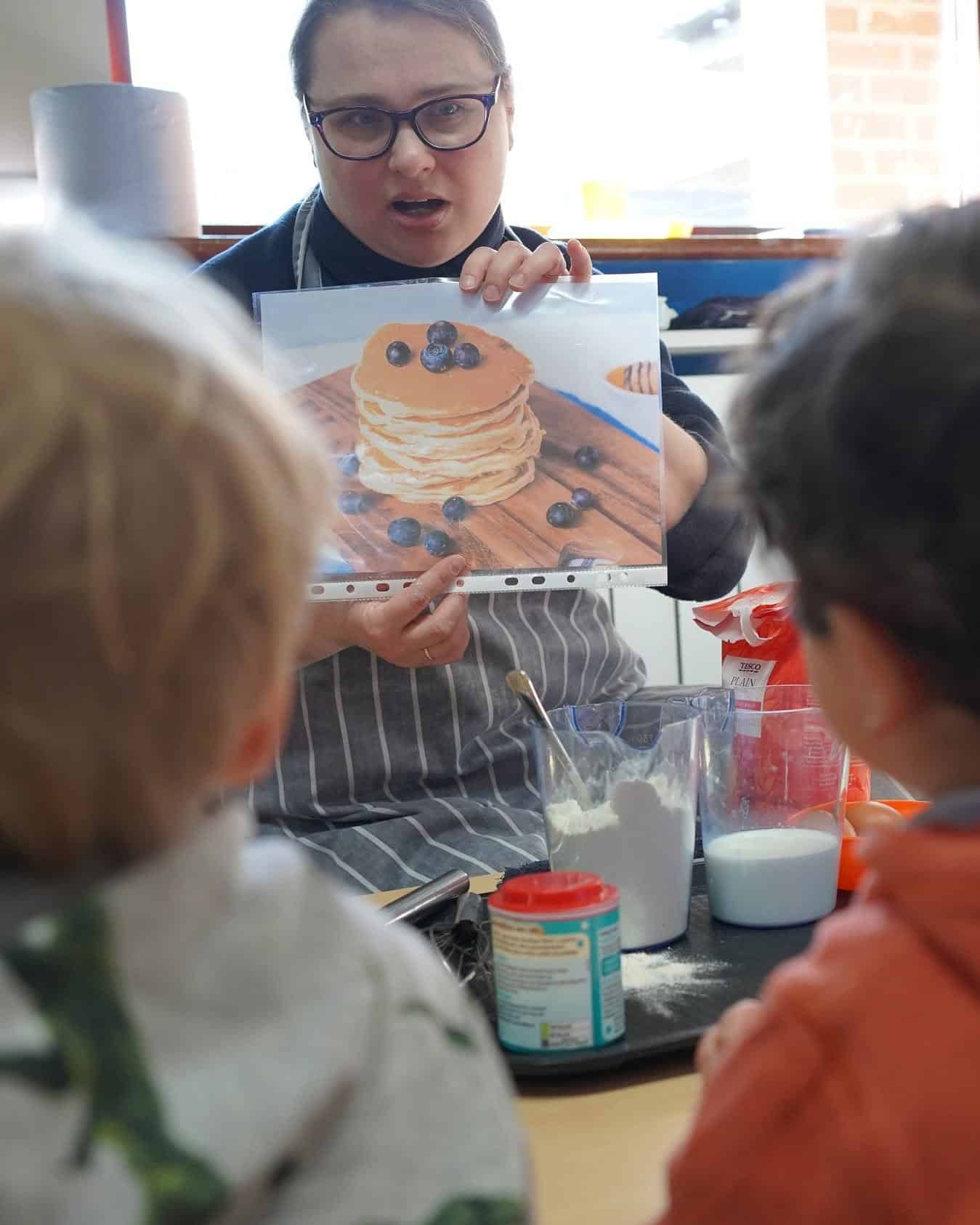
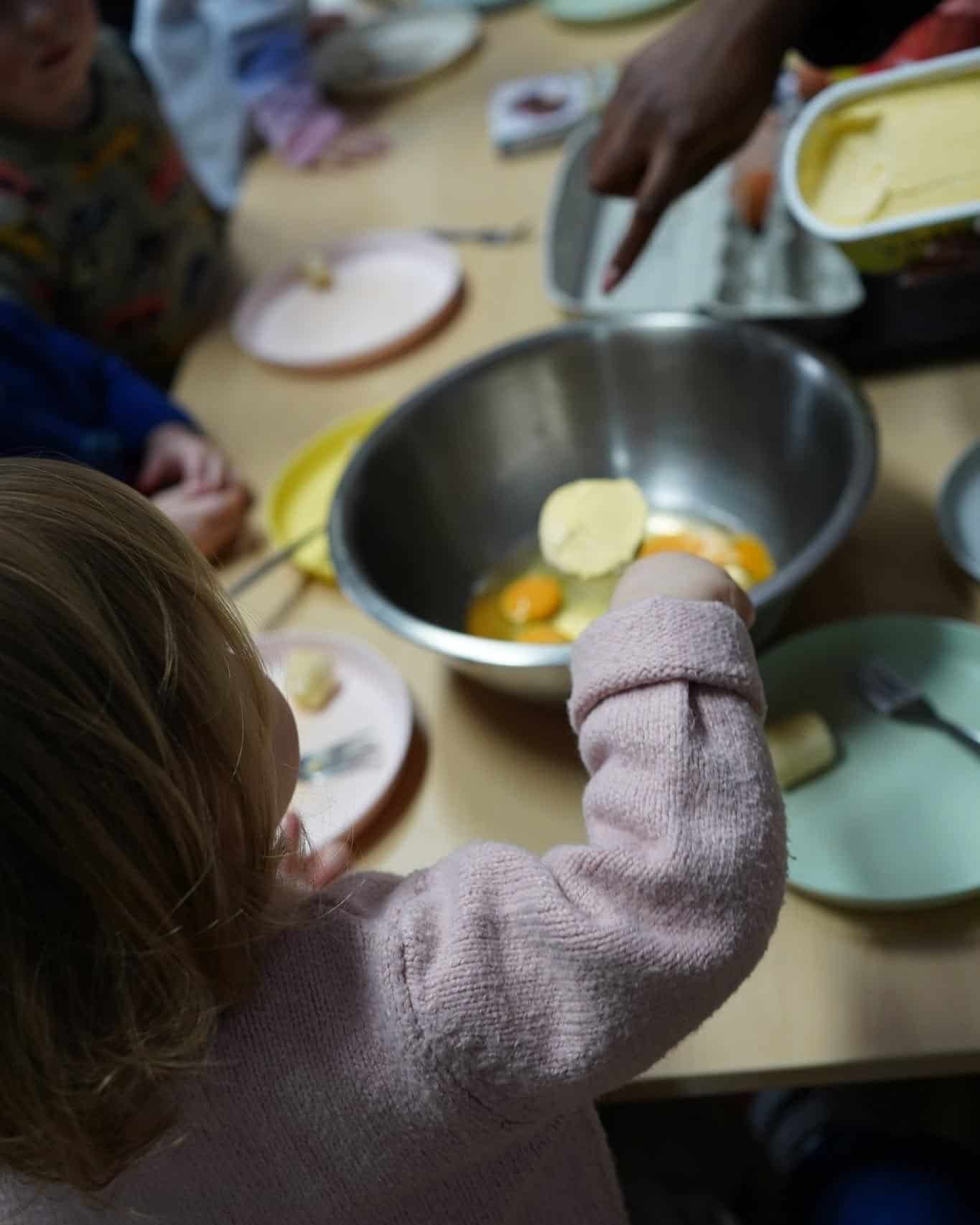
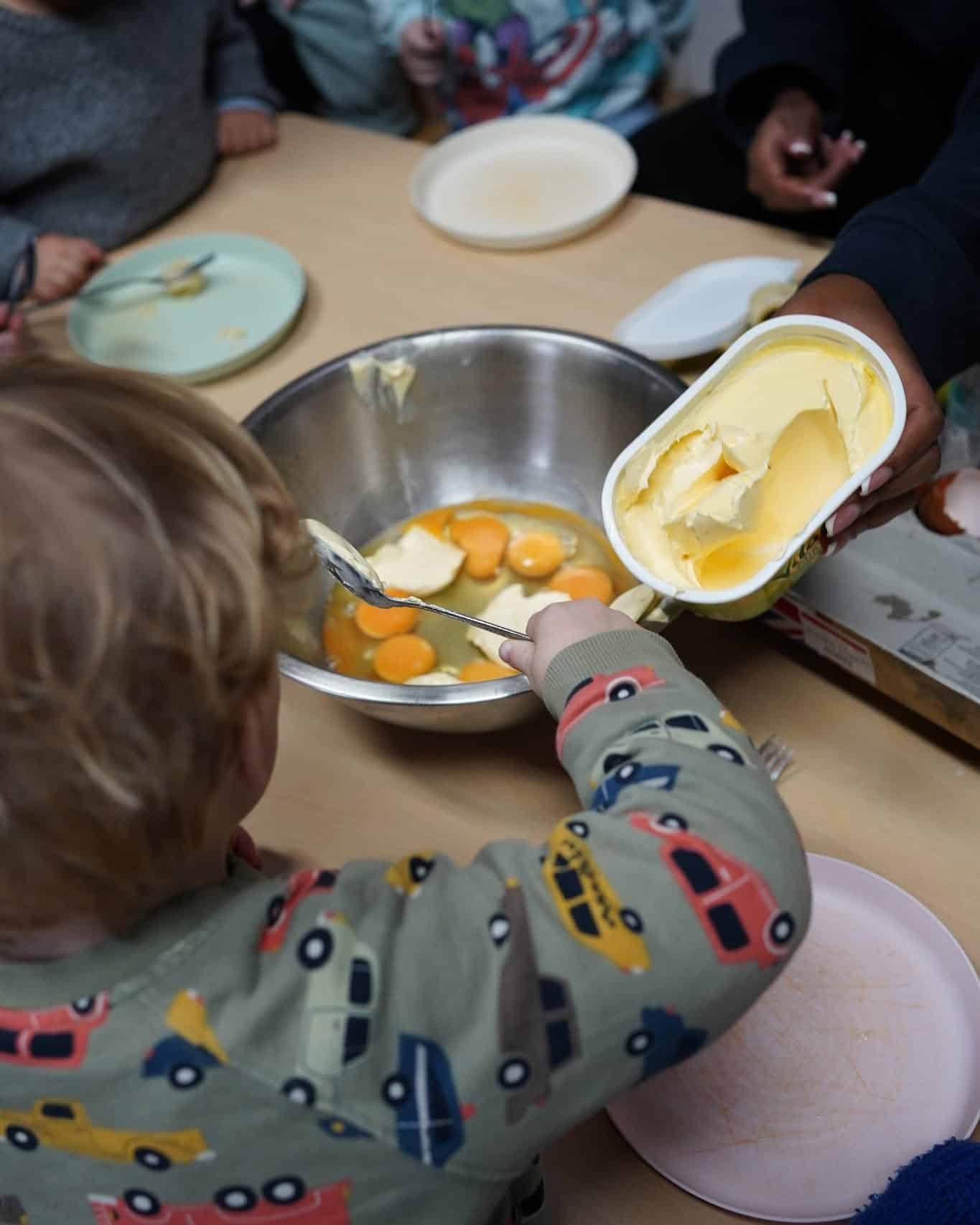
At Monkey Puzzle Grange Road, one of Cambridge’s warmest and most nurturing day nurseries, cooking is far more than a fun activity. Mixing, pouring, touching and tasting give our babies rich opportunities to explore, investigate and learn through their senses. Even the simplest experiences at the table support a surprising number of areas of early development, and here is what that means for your child.
A Hands On Feast for the Senses
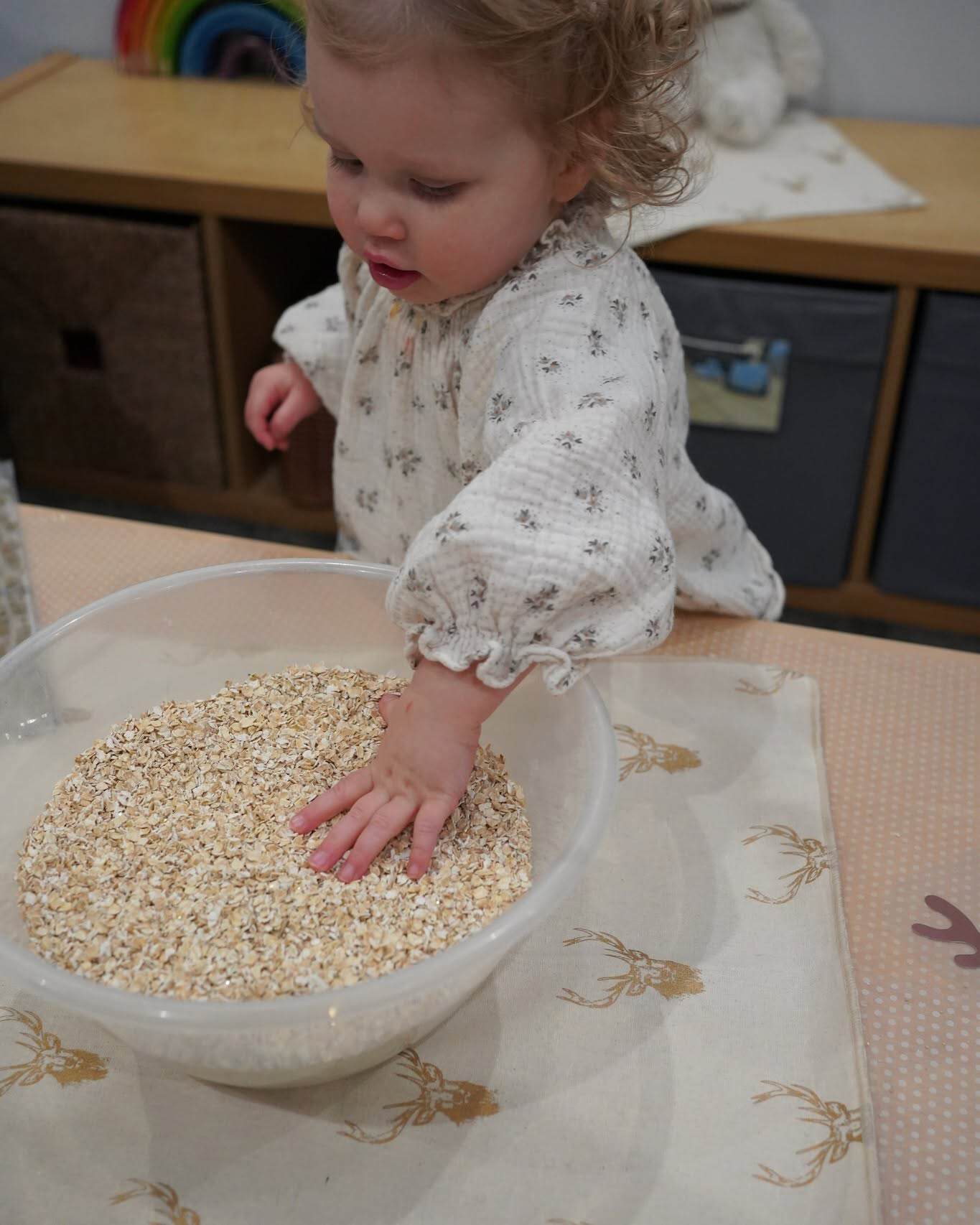
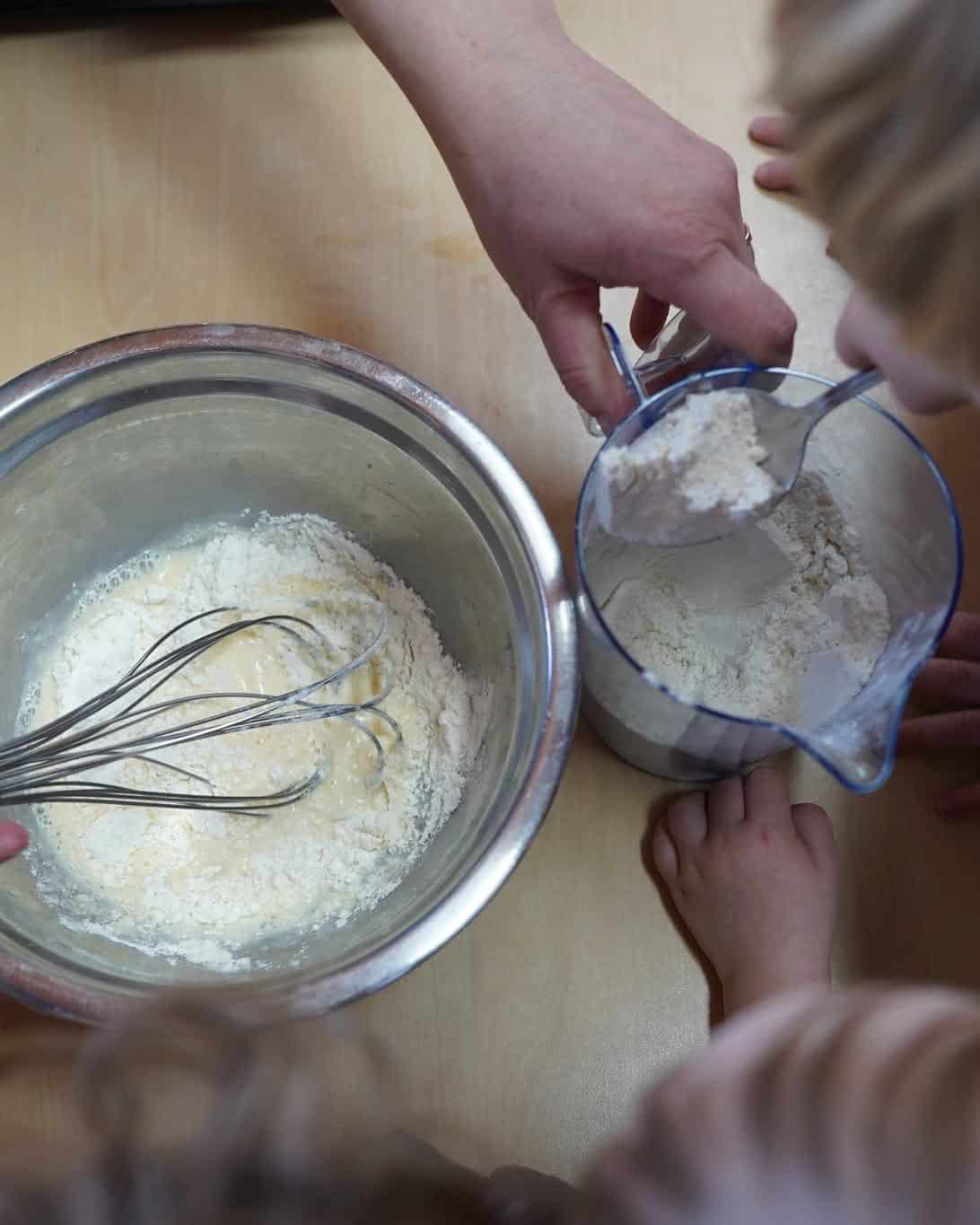
Soft flour, sticky dough, smooth fruit and crunchy vegetables all feel completely different in little hands, and that variety is exactly the point. Feeling and exploring these textures builds your child’s sensory awareness and helps them make sense of the world around them. At the same time, scooping, pouring, stirring, squeezing and mixing are quietly building hand strength, coordination and the fine motor skills they will later use for dressing, drawing and writing.
Curiosity and Early Problem Solving
A mixing bowl is one of the best places for a baby to discover cause and effect. What happens when ingredients are stirred together, poured from one container to another, or change from dry to sticky? These small moments of surprise spark curiosity and the very first steps of problem solving, encouraging your child to test ideas, watch what happens and try again.
New Words in Real Life Moments
Cooking gives our early years practitioners endless natural opportunities to introduce new vocabulary. Words such as mix, pour, stir, soft, sticky, smooth, big, small, hot and cold come to life when a child can feel exactly what they mean. Through these conversations and interactions, babies begin to connect language with real experiences, which is one of the strongest foundations for confident communication later on.
Early Maths in the Mixing Bowl
Measuring, counting ingredients and comparing sizes introduce early mathematical thinking long before any child sits down with a number line. Ideas such as more, less, full, empty, big, small and one more become real and meaningful when they are happening right there in the bowl. It is hands on learning that gives your child a genuine head start with numbers and comparison.
Understanding Where Food Comes From
Handling real ingredients helps children begin to understand where food comes from and how it changes as it is prepared. That early familiarity often makes children more curious and more willing at the table, and it builds a healthy, positive relationship with food that carries on well beyond their nursery years.
Confidence, Sharing and Time Together
Perhaps the loveliest part is that cooking is something we do together. Waiting for a turn with the spoon, sharing a bowl and seeing a task through to the end all support personal, social and emotional development, and every small success builds confidence. Your child leaves the activity having learned something, but also feeling proud, included and part of the group. It is one of the many everyday ways we support each child’s development during their time with us.